
Cleaning pāua shells
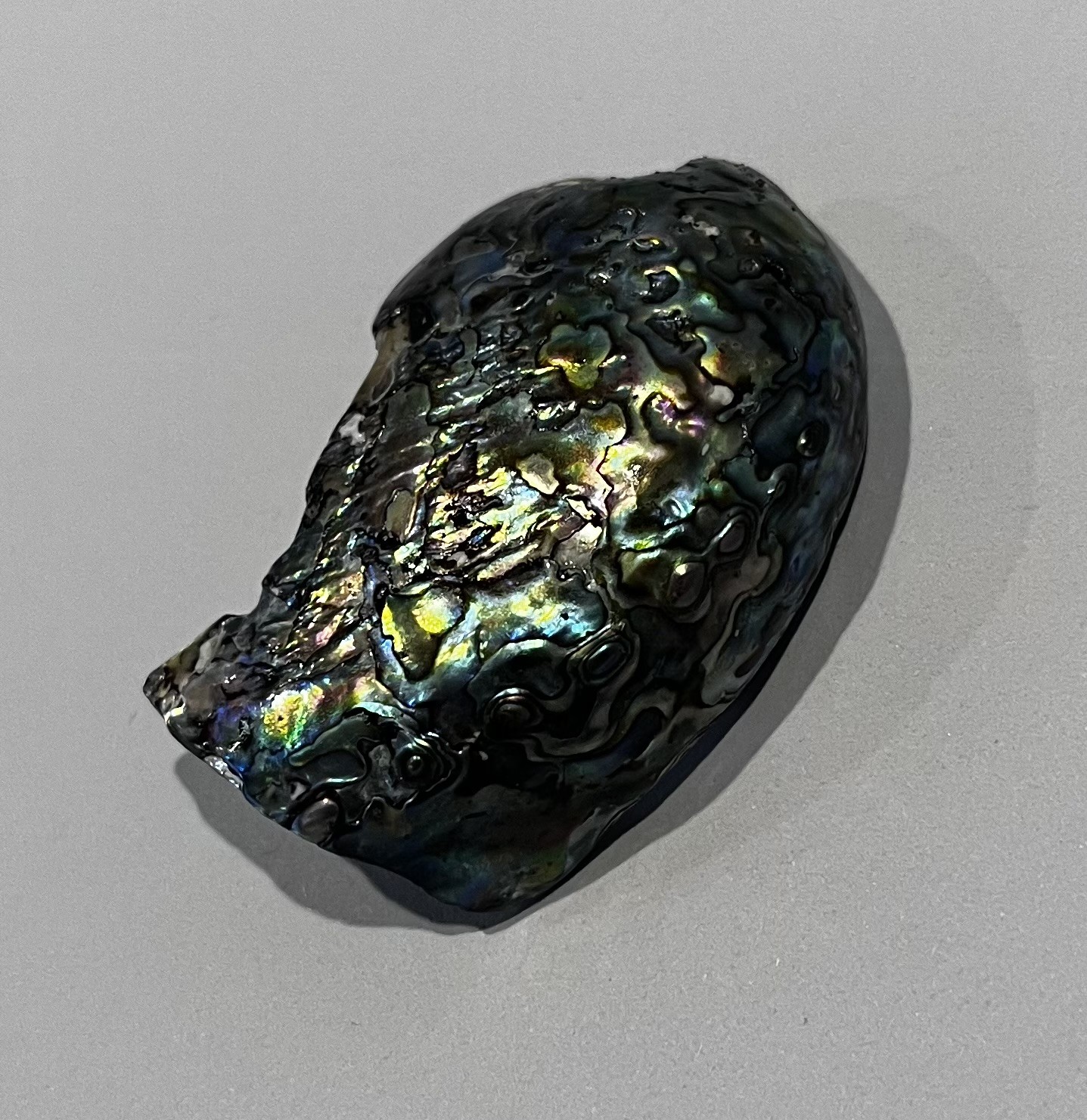
| Project Details | |
|---|---|
| Difficulty | Easy |
| Time Required | 4 hours plus soaking time |
| Equipment |
|
| Resources |
|
| Suitable for Kids | Yes (with supervision for vinegar and spray painting) |
Pāua shell cleaning and polishing
Pāua shells (also known as abalone) are beautiful! In New Zealand you can collect them from the beach or, within the local rules, collect them from the sea bed while still alive.
The shells will require cleaning to make them shine. It can take a long time but at least a few times is worth the effort. It’s a fun activity for the kids after a day on the beach.
Overview
Collect shells
Collect your pāua shells according to the rules.
Take them home.
Clean and bleach the shells
Using a scrubbing brush and bucket of water, clean the shells to get rid of any stuff that isn’t part of the shell like seaweed etc.
Empty the bucket and make up a bleach solution according to the bleach instructions. Put the shells in and leave overnight. This should stop them smelling of fish in the future.
Soak the shells in vinegar
In a measuring jug, put in as many shells as you can while leaving some space at the top. Add enough cleaning vinegar to cover the shells (and maybe just a little bit more).
You’ll see them start to bubble.
Leave them bubbling for about 20 minutes, then safely drain the vinegar and rinse the shells in clean water so that they don’t smell of vinegar.
Sand the outside of the shells
Sponge sanding blocks are a good idea for this sanding as they match the contours of the shell better than your hand or a hard sanding block. But sandpaper at the low grits may give better results.
If you’re using sandpaper, thoroughly dry the shell. For sponge sanding blocks you can choose whether or not to let the shell dry - if you do, the sanding block won’t clog as quickly but if you don’t you can get going more quickly. Your choice.
Take your lowest grit sanding block (about 40 or 60 is a good level to start) and start sanding the outside of the shell. This will take quite a long time depending on the buildup of the calcified coating.
Keep sanding until you can see the beautiful iridescent colour over most of the shell.
Now start working your way through progressively smoother sanding blocks/paper. This will get the last of the calcified coating from the shell and start polishing. I worked through 60, 80, 140, 200, 400, 600 and finished with 800.
Depending on the size of the shell and the amount of calcified coating on the outside this could take anywhere from 20 minutes to 4 hours to get a good result.
When you’re happy with the result, clean the shell in clean water to remove any dust and set it aside to thoroughly dry.
Paint
Optional: using a spray clear gloss varnish, follow the instructions on the can to spray your shell. This should stop it going dull over time and protect it from minor scratches.
Afterwards
You can simply enjoy your polished pāua shells for their beauty or use them in whatever other craft projects you desire.